

Hiring is one of the most important investments any business makes—but have you ever paused to question how much you’re actually paying for it? For years, the 8.33% hiring fee has been treated as a standard, almost unquestioned part of recruitment. It’s familiar, widely accepted, and easy to follow.
But in today’s fast-evolving business landscape, where agility and cost-efficiency define success, sticking to traditional hiring models without evaluating their real value can hold you back. The truth is, hiring doesn’t have to be rigid or expensive. There are smarter, more flexible approaches that allow you to save more without compromising on talent quality. Let’s explore how.
The Reality Behind the 8.33% Hiring Model
At first glance, the traditional hiring model appears simple and effective—you hire a candidate and pay a fixed percentage. However, when you look beyond the surface, it reveals several limitations that can impact your business in the long run.
This raises an important question—are you paying for long-term value, or just a short-term solution?
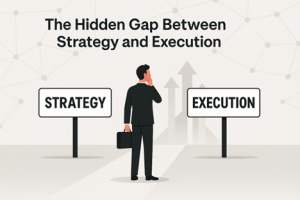
The Hidden Impact on Business Growth
The biggest challenge with the 8.33% model is not just the cost—it’s the lack of flexibility. As your business grows, your hiring needs become more dynamic, and rigid models struggle to keep up.
Over time, these factors can slow down growth and reduce your ability to respond to market demands effectively.
What Makes Smarter Hiring Models Different?
Modern hiring models are designed to solve these challenges by focusing on flexibility, efficiency, and value. Instead of a general approach, they adapt to your business needs and priorities.
This shift allows businesses to move from rigid hiring structures to strategic workforce planning.
Key Advantages of Smarter Hiring
When you move away from the traditional 8.33% model, you unlock several practical benefits that directly impact your business performance.
These advantages not only save money but also improve the overall efficiency of your hiring strategy.
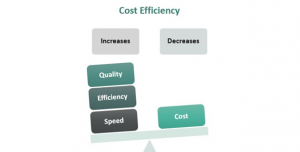
Does Cost Efficiency Mean Compromising on Quality?
This is one of the most common concerns—and understandably so. However, smarter hiring models are not about cutting corners; they are about maximizing value.
In many cases, businesses actually experience better hiring outcomes with these models.
A More Strategic Way to Hire
One of the biggest shifts businesses notice when adopting smarter hiring models is the level of control they gain. Instead of being locked into rigid structures, they can approach hiring with a strategic mindset.
This approach transforms hiring from a routine task into a powerful growth strategy.
A Quick Reflection for You
Take a moment to evaluate your current hiring approach:
If any of these questions make you rethink your approach, it might be time to consider a smarter alternative. BriskWinIT Solutions offers a more cost-effective approach—helping businesses move away from the traditional 8.33% hiring cost while still ensuring quality talent, flexibility, and long-term value.
Bottom Lines
The way businesses hire is changing—and for good reason. In a world where agility, efficiency, and smart investments drive success, sticking to outdated hiring models like the 8.33% structure can limit your potential.
Smarter hiring models offer a better path forward. They provide flexibility, reduce costs, improve talent quality, and align hiring strategies with long-term business goals. Instead of being a financial burden, hiring becomes an opportunity to grow stronger and more adaptable. With partners like BriskWinIT Solutions, businesses can move beyond traditional cost structures and adopt more efficient, value-driven hiring approaches that deliver real results.
So, the next time you plan to hire, don’t just focus on the candidate—focus on the approach. Because success today isn’t about spending more; it’s about spending smarter and hiring better.
Your Turn!
What do you think about the 8.33% fee model? Have you found better ways to hire great talent?
Let us know in the comments—we’d love to catch up your thoughts!
 contactus@briskwinit.com