

In the high-stakes arena of modern business, data is the new oil, but insight is the engine. For decades, Siebel CRM has been the backbone of the world’s most complex enterprises—from global banks to massive telecommunications providers. But if you think Siebel is just a “database for contacts,” you’re missing the revolution happening within its architecture. In 2026, Siebel has evolved from a system of record into a dynamic decision-support engine. By leveraging AI, deep industry verticals, and seamless cloud integrations, enterprises are moving from reactive management to predictive mastery.
Here is how today’s industry leaders are turning Siebel CRM into their most powerful decision-making weapon.

The biggest hurdle for large enterprises isn’t a lack of data; it’s the “noise” created by having too much of it. Siebel CRM solves this by streamlining information through the Redwood user experience, ensuring that the most critical data points are always front and center.
Instead of waiting for end-of-month reports, managers now use Siebel’s modernized interface to view performance metrics in real time. Whether it’s monitoring first-response times in a call center or tracking pipeline velocity in a specific sales region, the data is live and actionable. This allows executives to spot trends—like a sudden dip in customer satisfaction in a specific geography—at a glance and intervene before a small issue becomes a crisis.
The integration of cloud-based Generative AI services has fundamentally changed how leaders interact with their CRM. Enterprises are no longer just looking at historical records; they are using Siebel to predict future outcomes.
For example, sales leaders now use AI models within Siebel to analyse years of historical data to identify which leads have the highest probability of conversion. This allows them to make high-level decisions on exactly where to allocate their most expensive sales resources. Similarly, in industries like Utilities or High-Tech, Siebel uses predictive maintenance data to alert service teams before a customer even realizes there is a problem. This shifts the executive decision from “How do we fix this?” to “How do we prevent this?”
Generic CRMs often struggle with the specialized needs of regulated industries. Siebel’s strength lies in its specialized industry-specific applications that provide deep, contextual logic right out of the box.
In the Pharmaceutical sector, leaders use Siebel to decide which clinical trial sites to prioritize based on past recruitment speed and compliance history. In Banking, managers leverage a “Customer 360” view to decide on personalized credit offers in real-time during a branch visit. Meanwhile, Telecommunications giants analyse churn patterns within the CRM to decide which specific loyalty “save” offers to trigger for high-value subscribers. Because these solutions are built for the industry, enterprises don’t have to spend months building custom logic—they can start making data-driven decisions almost immediately.
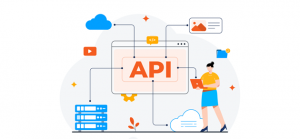
Decision-making is inherently flawed when it happens in a vacuum. Modern Siebel deployments use a “headless” or API-First approach to act as the central hub for the entire enterprise ecosystem.
By integrating Siebel with Enterprise Resource Planning (ERP) and Supply Chain Management (SCM) systems, leaders gain a complete view of the business. When a CEO needs to decide whether to launch a new product, they can see the customer demand data alongside real-time inventory levels and shipping costs. This unified truth eliminates the guesswork and conflicting reports that often plague large-scale projects, ensuring that every department is moving in the same direction based on the same set of facts.
The speed of decision-making is often tied to the speed and reliability of the software. Enterprises are now using modern cloud managers to run Siebel on high-performance cloud infrastructure or private clouds using containerization.
This shift to a cloud-native approach allows for continuous innovation. With regular updates and minimal downtime, businesses can roll out new features—such as a specialized analytics module—in weeks rather than years. Furthermore, the inherent scalability of the cloud means that if a marketing campaign goes viral, the infrastructure scales automatically. Decision-makers no longer have to worry about system stability during peak times; they can focus entirely on how to capitalize on growth.

Frequently Asked Questions
Absolutely. While many viewed it as a legacy system, its recent evolution into a cloud-native platform has made it more powerful than ever. Its ability to handle massive, complex data sets across specific industries—like banking and telecommunications—remains unmatched by most lighter CRM alternatives.
The Redwood design system replaces old, cluttered interfaces with a modern, intuitive layout. It reduces the ‘click-fatigue’, many employees feel by highlighting the most important data points and using AI to suggest the next steps, making the software feel more like a helpful assistant than a complex database.
While many of the most advanced AI features are optimized for the cloud, Siebel supports “hybrid” environments. This means you can keep your most sensitive data on-site while using cloud-based tools for advanced analytics and reporting.
Yes. By integrating AI models with your historical data, Siebel can identify patterns that humans might miss. For example, it can flag a customer who is likely to cancel their service weeks before they actually do, allowing your team to make an informed decision on how to retain them.
Modern Siebel uses an “API-first” approach. This makes it much easier to connect with other essential systems like your ERP (finance), supply chain management, or third-party marketing tools. This ensures your leadership team has a single, accurate view of the entire business.
The timeframe varies depending on the complexity of your current setup, but the introduction of Siebel Cloud Manager has significantly cut down the time required for upgrades. What used to take months can now often be achieved in weeks, allowing for faster access to new features
The Verdict: A Strategic Asset, Not Just a Tool
Companies that view Siebel CRM as a stagnant legacy system are leaving significant value on the table. In contrast, market leaders are transforming it into a Living Intelligence Platform. By combining the platform’s legendary robustness with modern AI and cloud-native agility, these organizations aren’t just managing relationships—they are mastering the art of the informed choice. In the competitive world of enterprise business, the best-informed leader usually wins, and more often than not, they are using a modernized Siebel environment to achieve that edge.
Ready to Modernize?
If your enterprise is still using Siebel as it functioned a decade ago, you are missing out on the predictive power of today’s technology. From automating complex workflows to gaining real-time executive clarity, the potential for growth is immense.
As a premier Siebel CRM service provider, BriskWinIT Solutions specializes in helping businesses navigate this evolution. Whether you are looking to migrate to the cloud, implement the Redwood user experience, or integrate advanced AI analytics, BriskWinIT Solutions provides the expertise needed to turn your CRM into a strategic powerhouse. It might be time for a professional modernization assessment to unlock the hidden insights currently buried in your data.
What is the single biggest data “blind spot” your leadership team is currently facing? We would love to hear your perspectives. Get in touch with us and join the conversation!
 contactus@briskwinit.com