

A career break can feel like a pause button. You step away from work for personal responsibilities, family, education, relocation, caregiving, or simply because you need time to rethink your direction. Then, when you’re ready to return, the questions begin:
But what if we’re asking the wrong question? Instead of asking whether a career break has weakened your professional profile, what if we asked: “What did you gain during that break that can make you a stronger professional today?”
Because a career break doesn’t automatically mean your career stood still. Sometimes, it gives you something that a conventional career path cannot: perspective, adaptability, resilience, and a clearer understanding of what you want next.

A Career Break Is Not a Blank Space
Recruiters may notice a gap on your resume, but a gap doesn’t tell the whole story. Maybe you managed a household while keeping everything running smoothly. Maybe you moved to a new city and rebuilt your professional network. Perhaps you pursued a course, worked on a personal project, freelanced, volunteered, or simply took time to reassess your goals. These experiences can develop valuable professional capabilities.
Think about it, planning a complex family schedule requires organization. Managing unexpected situations builds problem-solving skills. Learning something independently demonstrates initiative. Adapting to major life changes develops resilience. These aren’t “non-career” skills, they are workplace skills in disguise.
The World of Work Has Changed—And So Have You
One of the biggest concerns after a career break is technological change. And yes, technology moves quickly. AI, automation, cloud platforms, data tools, cybersecurity, DevOps, and digital collaboration have transformed the way businesses operate. But here’s the good news, you don’t need to know everything that changed while you were away. You need to know what matters now—and be willing to learn it. That mindset can be more valuable than trying to prove that you already know everything. Start by identifying the skills most relevant to your target role. Then build a practical learning roadmap.
Take an online course. Refresh your technical knowledge. Work on a small project. Explore AI tools relevant to your profession. Participate in professional communities. Update your resume and LinkedIn profile around your current capabilities rather than focusing entirely on your past experience. Your goal isn’t to erase the career break. It’s to show what you’ve done since it—and what you’re capable of doing next.
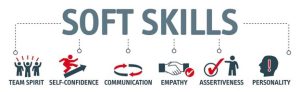
Your Career Break May Have Strengthened Your Soft Skills
Technical skills can often be refreshed. But qualities such as adaptability, emotional intelligence, communication, patience, decision-making, and resilience take much longer to develop. A career break can strengthen many of them. Consider someone who spent several years managing changing personal responsibilities. They may have become exceptionally good at prioritizing competing demands.
These experiences can become powerful differentiators—if you know how to communicate them. Instead of saying: “I wasn’t working for three years.” Try reframing the conversation: “During my career break, I developed stronger organizational and adaptability skills while also taking steps to prepare for my return to the industry.” The difference isn’t just in the words; it’s in the story you’re telling.
Don’t Hide the Gap—Own the Story
One common mistake professional make after a career break is trying to minimize it. You don’t have to apologize for taking time away. Instead, explain it confidently and briefly. A strong career-break narrative can answer three questions:
Why did you take the break?
Give an honest but professional explanation.
What did you do during that time?
Mention learning, projects, certifications, freelance work, volunteering, personal development, or transferable experiences where relevant.
Why are you ready now?
This is the most important part. Show that you’ve refreshed your skills, understand current industry expectations, and are prepared to contribute. Employers don’t necessarily need a perfect career timeline. They need confidence that you’re ready for the role today.
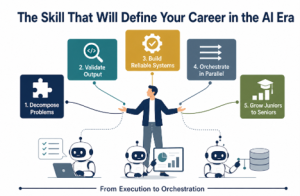
This Is Where AI Can Become Your Career Restart Partner
Returning to the workforce in today’s environment also comes with a new advantage- AI-powered learning. Instead of spending months trying to figure out what has changed in your industry, you can use modern AI tools to accelerate your preparation. You can use AI to:
But remember: AI should accelerate your learning—not replace it. The strongest comeback is still built on genuine knowledge, practical experience, curiosity, and continuous improvement.
What Employers Really Need
The modern workplace isn’t looking only for people with uninterrupted resumes. Businesses need professionals who can learn, adapt, collaborate, solve problems, and keep growing. That creates an interesting opportunity for career-break professionals.
That’s not a disadvantage, that’s potential.
Turning the Break into a Comeback
So, how do you transform a career break into a career advantage? Start with a simple shift:
But what matters most is what you can bring to the table now.
Your Career Didn’t End; It Evolved.
Maybe your career break wasn’t the deviation you once thought it was. Maybe it gave you time to grow in ways a job description couldn’t measure. Maybe it helped you discover what you actually want from your career. And maybe, with the right learning strategy and the right opportunity, the professional you become after the break can be even stronger than the professional you were before it.
So, the next time you look at that gap on your resume, don’t see an empty space, see a chapter. Because your career story isn’t defined by the moment you stepped away. It’s defined by how confidently you step forward again.
Ready to Turn Your Career Break into Your Next Career Advantage?
If you have taken a career break and are preparing to return to the IT industry, don’t ask, “Am I too far behind?” Ask: “What do I need to learn, demonstrate, and build to become the professional today’s market needs?” And when you’re ready to take that next step, the right career opportunity can make all the difference. BriskWinIT Solutions can help career-break professionals explore opportunities to restart their IT careers, reconnect with the industry, and find roles aligned with their refreshed skills and career goals. Your comeback doesn’t have to recreate your old career.
With the right skills, support, and opportunity, it can create your next one—with BriskWinIT Solutions by your side.
Frequently Asked Questions (FAQs)
Not necessarily. A career break can be an opportunity to develop new skills, gain life experience, and reassess your career goals. What matters most is how you demonstrate your current skills, adaptability, and readiness to contribute.
Be honest, confident, and concise. Explain why you took the break, mention any learning or professional development you pursued, and focus on why you’re ready to return now.
Refreshing your technical knowledge is highly recommended, especially because the IT industry evolves quickly. Focus on technologies and skills relevant to the roles you’re targeting rather than trying to learn everything.
Yes. AI tools can help you identify skill gaps, create learning plans, practice interviews, understand new technologies, and improve your resume. However, practical learning and hands-on experience remain essential.
Identify the transferable skills you developed during your break, such as adaptability, communication, organization, problem-solving, or time management. Combine these with refreshed technical skills to create a stronger professional profile.
Yes. BriskWinIT Solutions can help career-break professionals explore IT career opportunities that align with their skills, experience, and career goals, making the transition back into the workforce more structured and achievable.
Update your resume and professional profiles, refresh relevant technical skills, work on practical projects or certifications, research current industry requirements, and prepare a confident explanation of your career break.
Absolutely not. A career restart is possible at different stages of professional life. With continuous learning, the right preparation, and suitable career opportunities, your experience can become a valuable foundation for your next professional chapter.
 contactus@briskwinit.com